Understanding Common Behaviors in Autistic Children
How do you know if your child is autistic? Learning about the most common autistic behaviors can help you identify if your child might benefit from professional support and therapy.
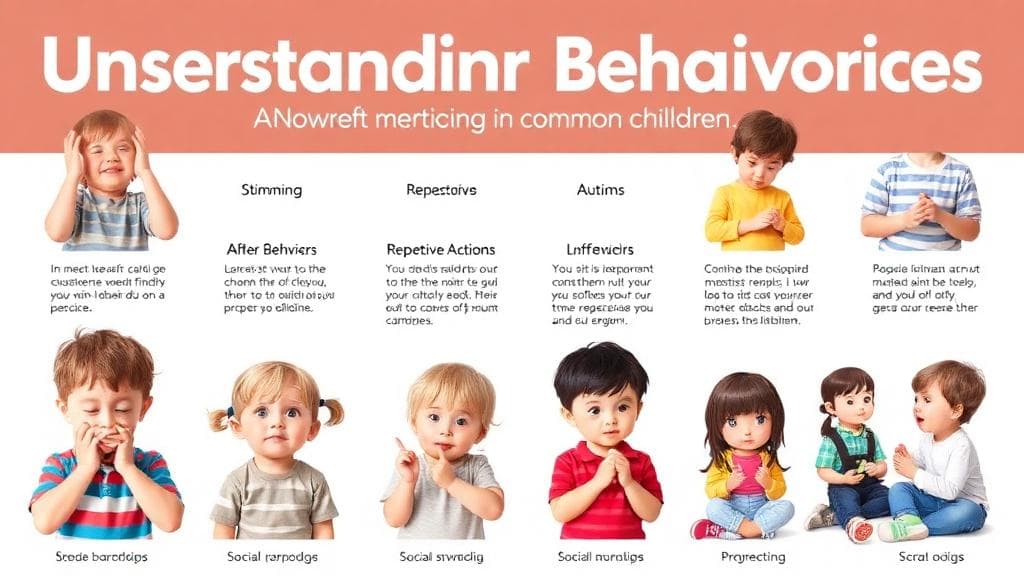
How do you know if your child is autistic or not? What could feel like a challenge and struggle might be very simple to identify if you know what you should be looking for. That's especially true when it comes to learning more about the most common autistic behaviors. Here's a shortlist to consider!
"With over 20 years of experience working with autistic children, I've learned that every child's behavioral profile is unique. While certain behaviors are common in autism, the key is understanding what each behavior communicates and how to support the child effectively. At Buzz ABA, we take the time to understand each child's individual needs."
– Jennifer Harbour, M.S., BCBA, Clinical Director at Buzz ABA
Repetitive Behaviors
For a lot of autistic children, repetitive behaviors tend to be very common. Also known as stimming, this type of behavior is not dangerous, in fact it's harmless. Granted, it will look very odd in the eyes of other people, but it's certainly harmless for the autistic child.
When it comes to the most common stimming behaviors, these include:
- Staring either at spinning objects or lights
- Repeating sounds, phrases, or specific words (see our guide on echolalia)
- Flicking or flapping their hands/fingers
- Rocking movements, head banging, jumping, and similar behaviors
Meltdowns
Meltdowns are known for being more problematic, and they appear when the child fully loses control over the situation. Meltdowns are dangerous because the child could hurt himself or even other people. That's why you need to identify any situations that lead to a meltdown. And, if you can, take action as quickly as possible.
When it comes to what actions you should consider, these include allowing your child to wear headphones, turning down bright lights, or even offering them some distractive items like toys. If there are any changes in their routine, plan ahead and slowly ease them into the change. Learn more in our guide to managing meltdowns.
Movement and Language Delays
These delays are common in the case of autistic children. Some of them will experience delayed language skills while being more developed in other areas. Others will have delays when it comes to movement, learning, or cognitive skills.
A Lack of Social/Communication Skills
In many cases, autistic children will find it difficult to develop any communication or social skills. They either avoid eye contact, they don't play with others, nor do they sign or dance. Other examples would be things like using few to no gestures until they are 1 year old, not joining other kids or talking with them, etc.
Start Your Child's Journey Today
Buzz ABA provides comprehensive, evidence-based ABA therapy in Concord, Manchester, Nashua, and surrounding NH communities. Our neurodiversity-affirming approach helps children thrive.
Start Your Journey