Understanding Stimming: A Complete Guide to Self-Stimulatory Behavior
Learn about stimming in autism – what it is, why it happens, common types, and how to support healthy self-regulation.
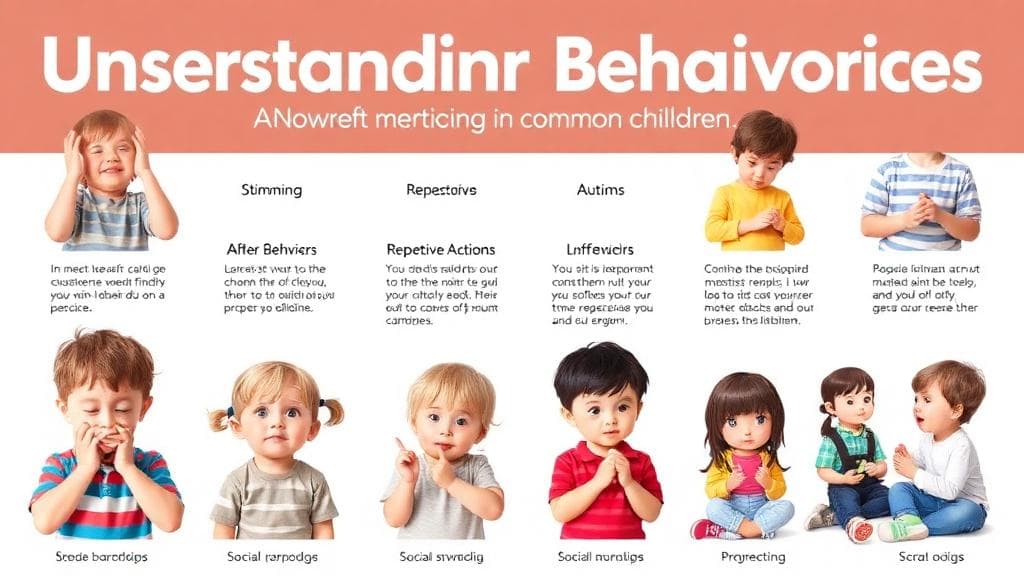
You have likely seen repetitive movements. Maybe it is hand flapping or rocking. This is called "stimming." It is normal and serves a purpose.
Clinical Perspective: Respecting Stimming
"Modern ABA practice has evolved significantly in how we approach stimming. With over 20 years in the field, I've seen the shift from trying to eliminate these behaviors to understanding their purpose. At Buzz ABA, we take a neurodiversity-affirming approach – we help families understand what stimming communicates and only intervene when safety is a concern or when the individual wants support developing alternatives."
– Jennifer Harbour, M.S., BCBA, Clinical Director at Buzz ABA
Expertise in neurodiversity-affirming ABA practices
What Is Stimming?
Stimming is short for self-stimulatory behavior. It includes repetitive movements or sounds. The National Autistic Society notes it helps regulate the person.
While everyone stims to some degree (think: tapping your foot, twirling your hair, or clicking a pen), stimming in autistic individuals is often:
- More frequent and intense
- More varied in form
- More essential for self-regulation
- More noticeable to others
The CDC lists "repetitive behaviors" as a core autism sign. Remember, these behaviors have a reason.
Why Do Autistic People Stim?
Stimming serves many important functions. Understanding the why behind stimming helps us respond supportively:
Self-Regulation
- Managing overwhelming emotions
- Calming anxiety or stress
- Coping with sensory overload
- Seeking sensory input when understimulated
Emotional Expression
- Expressing excitement or joy
- Communicating distress
- Processing intense emotions
- Showing anticipation
Focus & Processing
- Maintaining concentration
- Processing information
- Blocking out distractions
- Enhancing learning
Physical Comfort
- It simply feels good
- Provides proprioceptive input
- Releases physical tension
- Creates pleasurable sensations
Common Types of Stimming
Stimming can involve any of the senses. Here are common examples organized by sensory type:
Visual Stimming
- Staring at lights or spinning objects
- Watching things spin (fans, wheels)
- Looking at objects from different angles
- Flicking fingers in front of eyes
- Lining up objects repeatedly
Auditory Stimming
- Humming or making repetitive sounds
- Echolalia (repeating words or phrases)
- Clicking, tapping, or snapping fingers
- Covering and uncovering ears
- Playing the same song or video repeatedly
Tactile Stimming
- Rubbing or scratching skin
- Feeling textures repeatedly
- Picking at skin or nails
- Playing with hair
- Squeezing or pressing objects
Vestibular Stimming (Movement)
- Hand flapping – one of the most recognized autism stims
- Rocking – back and forth or side to side
- Spinning – in circles
- Jumping or bouncing
- Pacing back and forth
Proprioceptive Stimming
- Crashing into things
- Seeking tight spaces
- Heavy pressure (weighted blankets)
- Chewing on objects
- Toe walking
Hand Flapping: Understanding This Common Stim
Hand flapping is common. It involves rapid hand movements. Parents often notice this first.
What Hand Flapping Often Indicates:
- Excitement or joy – Many children flap when happy or anticipating something good
- Anxiety or overwhelm – Flapping can help manage difficult feelings
- Sensory seeking – The motion provides vestibular and proprioceptive input
- Self-regulation – Helps maintain a regulated state
- Expression – A way to communicate feelings that are hard to verbalize
Hand flapping alone is not necessarily a sign of autism – many typically developing toddlers briefly flap their hands. However, persistent hand flapping, especially combined with other characteristics, may warrant evaluation. Learn more about autism signs and symptoms.
Should You Stop Stimming?
This is one of the most important questions for parents and caregivers. The short answer: Usually, no.
Modern, neurodiversity-affirming approaches see stimming differently:
- Serves important self-regulation purposes
- Is a natural part of being autistic
- Should not be suppressed simply because it looks different
- Can be harmful to suppress (leading to increased anxiety)
When Intervention May Be Appropriate:
- Safety concerns: Stimming causes physical harm (severe head banging, self-injury)
- Significant interference: Prevents learning or essential activities
- Person's own goals: The individual wants help developing alternatives
We aim to find safer alternatives if needed. We don't want to just stop the behavior. A BCBA can help with this.
Stimming vs. Tics: What's the Difference?
Parents sometimes confuse stimming with tics, but they're quite different:
| Aspect | Stimming | Tics |
|---|---|---|
| Control | Voluntary, though may feel necessary | Involuntary, uncontrollable |
| Preceding feeling | Often triggered by emotions or sensory needs | Often preceded by an "urge" |
| Purpose | Self-regulation, expression, sensory seeking | No functional purpose |
| Suppression | Can be delayed, may increase stress | Very difficult, causes rebound |
| Associated conditions | Common in autism, ADHD, anxiety | Tourette's, tic disorders |
It's possible for someone to have both stimming behaviors and tics, especially since autism and Tourette's can co-occur.
Supportive Strategies for Stimming
Rather than trying to stop stimming, focus on creating supportive environments and, when necessary, offering alternatives:
Creating Supportive Environments
- Provide sensory-friendly spaces
- Reduce sensory triggers when possible
- Allow "stim breaks" throughout the day
- Educate others to be accepting
- Don't draw negative attention to stimming
Helpful Tools & Alternatives
- Fidget toys for quiet settings
- Chew jewelry for oral sensory needs
- Weighted blankets or lap pads
- Headphones for auditory sensitivity
- Movement breaks between activities
When to Seek Professional Support
Consult with a professional (such as a BCBA) if stimming:
- Causes injury to self or others
- Significantly interferes with daily functioning
- Is increasing dramatically in frequency or intensity
- Seems to indicate distress that isn't being addressed
Frequently Asked Questions About Stimming
What is stimming?
Stimming (self-stimulatory behavior) refers to repetitive movements, sounds, or actions that people use to self-regulate. While everyone stims to some degree, stimming is more frequent and noticeable in autistic individuals. Common examples include hand flapping, rocking, spinning, humming, and fidgeting.
Why do autistic people stim?
Autistic individuals stim for several reasons: to self-regulate emotions, cope with sensory overload or underload, express excitement or happiness, reduce anxiety, maintain focus, process information, and because it feels good. Stimming serves important regulatory and communication functions.
Should you stop stimming behavior?
In most cases, stimming should not be stopped as it serves important self-regulation purposes. Modern, neurodiversity-affirming approaches focus on ensuring safety rather than eliminating stimming. Intervention may only be appropriate if the stimming causes physical harm, significantly interferes with learning, or is socially isolating in ways the person wants to change.
What is hand flapping a sign of?
Hand flapping is a common form of stimming often associated with autism, though it can occur in anyone. In autistic individuals, hand flapping often indicates excitement, joy, anxiety, sensory processing, or self-regulation. It's a way of expressing or managing emotions that may be difficult to verbalize.
What's the difference between stimming and tics?
Stimming is voluntary and provides comfort or regulation, while tics are involuntary movements or vocalizations. People can often delay or control stimming but may feel an urge to return to it. Tics, associated with conditions like Tourette's, are typically preceded by an urge and feel uncontrollable.
Start Your Child's Journey Today
Buzz ABA provides comprehensive, evidence-based ABA therapy in Concord, Manchester, Nashua, and surrounding NH communities. Our neurodiversity-affirming approach helps children thrive.
Start Your JourneyRelated Resources
Sensory Issues in Autism
Understanding sensory processing differences and creating sensory-friendly environments.
Understanding Echolalia
Learn about echolalia and how to support communication development.
Autism Signs & Symptoms Guide
Comprehensive guide to recognizing autism signs at every age.
Understanding Autism Meltdowns
Learn the difference between meltdowns and tantrums and effective strategies.
Neurodiversity-Affirming ABA
Learn about our respectful, affirming approach to ABA therapy.
Understanding Autism Levels
Learn about Level 1, 2, and 3 autism and support needs.