Supporting Siblings of Autistic Children: A Complete Guide
Practical strategies to help all your children thrive while navigating the unique dynamics of autism in the family.
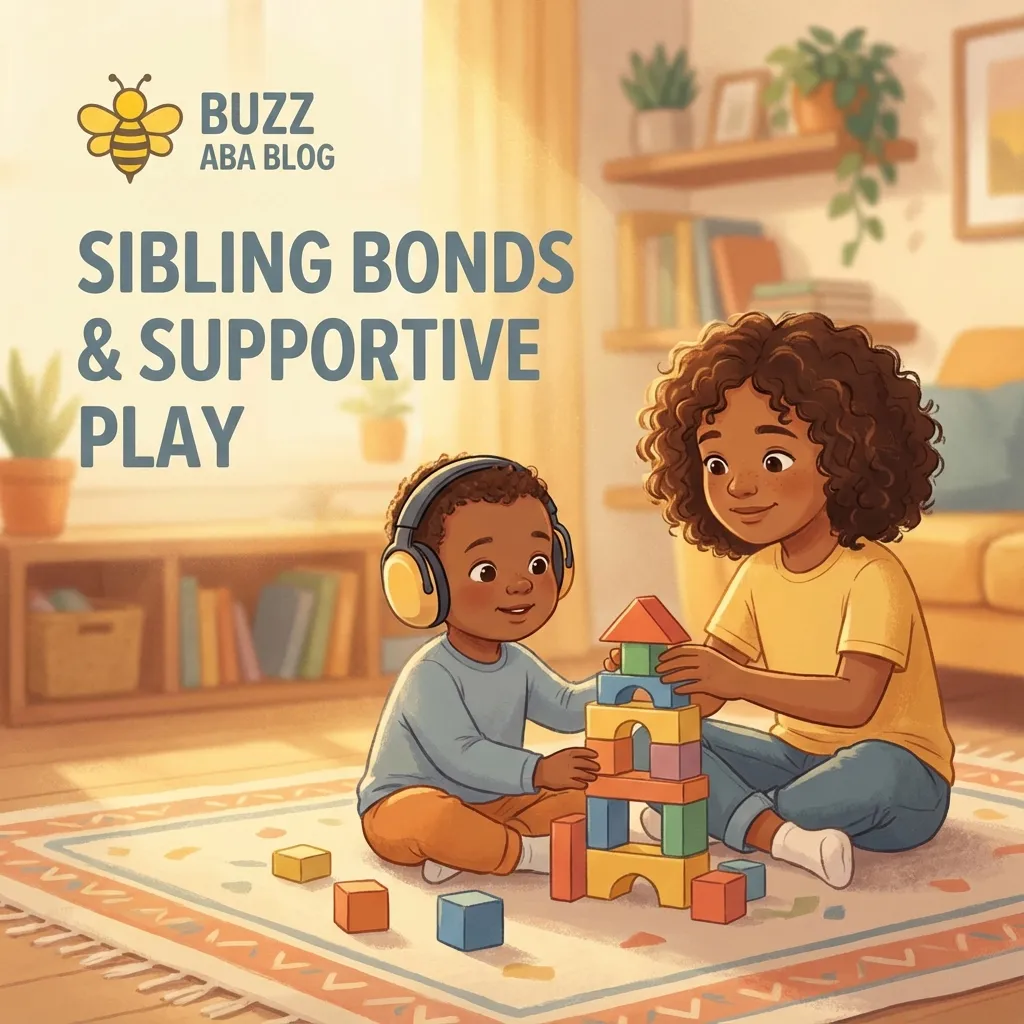
We Understand Sibling Dynamics: We know sibling relationships are complex. Our son's diagnosis affected everyone. His siblings faced new expectations and routines. Supporting them is essential for family wellbeing.
Understanding the Sibling Experience
Growing up with an autistic sibling is unique. The Sibling Support Project says these children develop empathy and patience. But they also face challenges.
As parents, understanding both the challenges and opportunities helps you support all your children effectively while building a strong, connected family.
Common Challenges Siblings Face
Feeling Overlooked
One child may need more support. Siblings can feel secondary. They might act out to get attention.
Embarrassment and Peer Relationships
Siblings may struggle to explain behaviors to friends. They might feel embarrassed by meltdowns. They worry about judgment.
Mixed Emotions
Siblings often experience complex, sometimes contradictory feelings:
- Love alongside frustration
- Protectiveness mixed with resentment
- Pride in their sibling's achievements and jealousy of attention
- Guilt for having negative feelings
- Worry about their sibling's future
Taking on Caregiving Roles
Some siblings become "helpers." Some helping is good. But too much responsible can be a burden.
Future Concerns
Older siblings especially may worry about long-term caregiving responsibilities, wondering what will happen when parents can no longer provide care.
The Positive Side: Sibling Benefits
Research from the American Psychological Association shows that many siblings develop remarkable strengths:
- Enhanced empathy: Deep understanding of differences and challenges
- Maturity: Often develop responsibility and perspective beyond their years
- Patience: Learning to adapt and work with different communication styles
- Advocacy skills: Many become advocates for disability rights
- Strong family bonds: Shared experiences can create close sibling relationships
- Career paths: Many siblings pursue helping professions
- Acceptance: Natural understanding that people are different
How to Explain Autism to Siblings
Age-appropriate explanations help siblings understand and cope:
For Young Children (3-5 years)
- "Your brother's brain works a little differently, so he learns and plays in different ways."
- "She needs extra help with some things, just like you needed help learning to ride a bike."
- Focus on concrete differences they can observe
- Reassure them that autism isn't contagious or anyone's fault
For School-Age Children (6-12 years)
- Explain that autism affects how the brain processes information
- Discuss specific differences: "Loud sounds hurt his ears" or "She has trouble knowing what others are feeling"
- Use books about autism written for siblings
- Answer questions honestly, including "I don't know" when appropriate
- Explain therapies and why they're helpful
For Teenagers
- Provide more detailed information about autism, including support levels
- Discuss genetics and recurrence risks honestly
- Talk about long-term planning and their role (without pressure)
- Connect them with other teen siblings of autistic individuals
- Acknowledge the real challenges while maintaining hope
Strategies for Supporting Siblings
1. Schedule One-on-One Time
Regular, predictable special time with each parent—even just 15-30 minutes—shows siblings they matter. This time should be:
- Consistent (same day/time each week if possible)
- Protected from interruption
- Child-directed (let them choose the activity)
- Free from discussion of autism or their sibling (unless they bring it up)
2. Validate Their Feelings
Let siblings know ALL their feelings are okay—including frustration, embarrassment, and even anger. Avoid dismissing feelings with "You should be grateful" or "At least you don't have autism." Instead:
- "It makes sense that you feel frustrated when your brother takes your things."
- "It's okay to be angry. You can feel angry and still love your sister."
- "That does sound really hard. Tell me more about what happened."
3. Attend Their Activities
Make effort to attend siblings' games, performances, and school events. If both parents can't attend due to caregiving needs, coordinate so at least one parent is present, or ask extended family to help.
4. Teach Them Strategies
Help siblings understand what helps and what doesn't:
- How to respond during meltdowns (give space, stay calm)
- Communication strategies that work with their sibling
- What triggers to avoid
- How to share their own needs effectively
- When to get a parent's help
5. Create Protected Spaces
Siblings need some things that are just theirs:
- A bedroom or area that's private
- Possessions that don't have to be shared
- Activities or interests separate from their sibling
- Friendships and social life of their own
6. Include Them Appropriately
Siblings can participate in therapy and support in age-appropriate ways:
- Playing together during natural environment training
- Modeling social skills
- Celebrating their sibling's achievements
- Attending sibling-focused therapy sessions occasionally
Resources for Siblings
Sibshops
Sibshops are peer support groups for siblings of children with special needs. They combine recreation with discussion, helping siblings connect with others who share their experiences.
Books for Siblings
- My Brother Charlie by Holly Robinson Peete (picture book)
- Rules by Cynthia Lord (middle grade novel)
- The Sibling Survival Guide by Don Meyer (for teens/adults)
- Views from Our Shoes edited by Don Meyer (stories by siblings)
Online Communities
For older siblings and teens, online communities can provide connection with others who understand their experience. Look for moderated groups through organizations like the Autism Society.
For additional support, download our free Sibling Support Guide.
When to Seek Professional Help
Consider counseling or therapy for siblings if you notice:
- Significant behavior changes (acting out, withdrawal)
- Academic problems
- Signs of depression or anxiety
- Excessive worry about their sibling or family
- Physical symptoms (stomachaches, headaches)
- Difficulty with peer relationships
- Expressing persistent resentment or anger
A therapist experienced with sibling issues can provide valuable support and coping strategies.
Frequently Asked Questions
How does having an autistic sibling affect neurotypical children?
There are challenges and benefits. Challenges include knowing they get less attention. Benefits include more empathy and patience.
How do I explain autism to my other children?
Use simple terms. For young kids: "Their brain works differently." Be honest and positive.
What support is available for siblings of autistic children?
Options include Sibshops and family therapy. Books can help too. Many groups offer sibling programs.
Should I expect my neurotypical child to help care for their autistic sibling?
Helping is okay. But do not overburden them. They need their own childhood. Talk openly about expectations.
Are siblings of autistic children more likely to have autism?
Yes, approximately 10-20% of younger siblings of autistic children will also be diagnosed with autism, compared to about 1-2% in the general population. The broader autism phenotype may be even more common in siblings.
Start Your Child's Journey Today
Buzz ABA provides comprehensive, evidence-based ABA therapy in Concord, Manchester, Nashua, and surrounding NH communities. Our neurodiversity-affirming approach helps children thrive.
Start Your JourneyRelated Resources
Sibling Support Guide (Free Download)
Comprehensive guide for parents supporting neurotypical siblings.
Caregiver Burnout & Self-Care
Self-care strategies for parents managing family needs.
Parent Involvement in ABA
How family participation supports therapy success.
Understanding Autism Regression
Signs, causes, and how to support your child.
Managing Autism Meltdowns
Helping siblings understand and cope.
Family-Oriented Therapy
Our approach to supporting the whole family.