Building School Success: How ABA Therapy Prepares Children for Academic Achievement
Discover how ABA therapy develops essential school readiness skills, from following classroom routines to social interaction, setting children up for academic and social success.
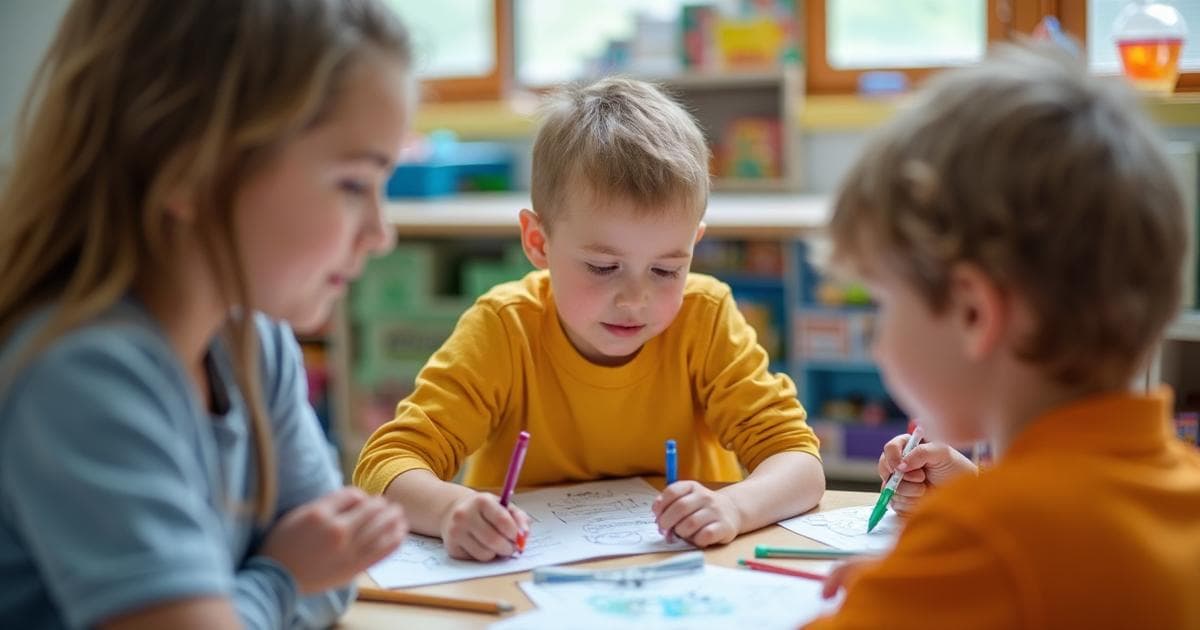
Starting school is exciting but can be hard for children with autism. ABA therapy helps build the skills they need. From routines to friendships, ABA prepares them for success.
Our Story: When our son started school, ABA therapy was key. It helped him follow instructions and make friends. Seeing him thrive inspired us to help other families through Buzz ABA.
In this comprehensive guide, we'll explore how ABA therapy prepares children for school success, what school readiness looks like for children with autism, and how families can support this important transition.
Understanding School Readiness for Children with Autism
School readiness is more than ABCs. For autistic children, it means having the skills to learn and play in a classroom.
Core School Readiness Skills
Essential skills for school success include:
- Following multi-step instructions and classroom routines
- Sitting and attending to tasks for age-appropriate periods
- Communicating needs and wants appropriately
- Interacting positively with peers and adults
- Managing transitions between activities
- Self-regulation and emotional control
- Independence in self-care tasks
- Basic pre-academic skills (if developmentally appropriate)
These skills form the foundation that allows children to access learning opportunities and build relationships in the school environment.
How ABA Therapy Builds School Readiness
ABA therapy is great for school prep. It teaches real skills in a clear way. Here is how it helps:
Attention and Task Engagement
A key skill is paying attention. ABA therapy builds focus by:
- Gradually increasing the length of structured activities
- Teaching children to focus on relevant stimuli while ignoring distractions
- Building tolerance for non-preferred tasks
- Using reinforcement to motivate sustained attention
- Teaching self-monitoring strategies
Children learn to sit at a table, look at materials, and engage with activities for increasingly longer periods—skills that directly translate to classroom success.
Following Instructions and Routines
Schools have rules and routines. ABA therapy helps children learn to:
- Teaching children to respond to their name and look when called
- Building compliance with simple, then complex instructions
- Using visual schedules to teach routine following
- Practicing transitions between activities
- Teaching flexibility when routines change unexpectedly
These skills help children navigate the structured environment of a classroom and follow teacher directions effectively.
Communication and Social Skills
Good communication helps in school. ABA therapy teaches children to:
- Functional communication training to express needs appropriately
- Teaching question-asking and answer-giving skills
- Building conversation skills and turn-taking
- Developing non-verbal communication awareness
- Teaching appropriate help-seeking behaviors
Social skills development includes learning to interact with peers, share materials, take turns, and participate in group activities—all crucial for classroom participation.
Self-Regulation and Emotional Control
Managing feelings is key for learning. ABA therapy teaches self-control by:
- Identifying emotional states and triggers
- Teaching coping strategies for frustration and anxiety
- Building tolerance for delayed gratification
- Developing problem-solving skills
- Teaching appropriate responses to correction and feedback
Pre-Academic Skill Development
While behavioral and social skills form the foundation, ABA therapy also addresses pre-academic skills that support learning:
Early Literacy Skills
- Letter and sound recognition
- Print awareness and book handling
- Phonological awareness activities
- Pre-writing skills and fine motor development
- Comprehension of simple stories and instructions
Early Math Concepts
- Number recognition and counting
- Basic math concepts like more/less, bigger/smaller
- Pattern recognition and sorting skills
- Understanding of spatial concepts
- Time concepts and calendar skills
Fine Motor and Writing Readiness
- Proper pencil grip and control
- Pre-writing strokes and shapes
- Cutting and pasting skills
- Hand-eye coordination activities
- Bilateral coordination tasks
The Buzz ABA Approach to School Readiness
At Buzz ABA in Concord, NH, we prepare kids for school. Our programs are made just for your child's needs.
Comprehensive Assessment
We begin with a thorough assessment that evaluates:
- Current skill levels across all developmental domains
- Learning style and motivation preferences
- Potential challenges in the school environment
- Family goals and educational placement plans
- Specific requirements of the intended school setting
Individualized Programming
Based on assessment results, we develop individualized programs that target:
- Priority skills needed for the child's intended placement
- Areas where the child shows the greatest need
- Skills that will have the most significant impact on success
- Generalization of skills across different settings and people
Collaborative Approach
We work closely with families and schools to ensure continuity:
- Regular communication with parents about progress
- Collaboration with school teams when appropriate
- Training for school staff when requested
- Transition planning and support
- Ongoing consultation as needed
Transitioning from ABA to School: A Gradual Process
Moving from ABA to school takes planning. We support this change by:
Gradual Fading of Support
As children develop independence, we gradually reduce the level of support they receive:
- Moving from one-on-one to small group instruction
- Reducing prompting and increasing independence
- Teaching self-advocacy and help-seeking skills
- Building tolerance for less structured activities
- Practicing skills in more natural environments
School Environment Practice
We simulate school environments and expectations in our therapy settings:
- Creating classroom-like learning environments
- Practicing school routines and schedules
- Working on group instruction and peer interaction
- Building independence in school-related tasks
- Teaching navigation of school environments
Supporting Different Educational Placements
Children with autism may be placed in various educational settings based on their individual needs. ABA therapy can prepare children for success in:
General Education Classrooms
For children entering mainstream classrooms, focus areas include:
- Independence in academic tasks
- Peer interaction and friendship skills
- Self-advocacy and help-seeking
- Managing the sensory demands of busy classrooms
- Following group instructions and participating in discussions
Special Education Settings
For children in specialized programs, preparation might emphasize:
- Building foundational learning skills
- Developing communication systems
- Behavioral self-regulation strategies
- Participating in structured activities
- Generalizing skills across settings and people
How Parents Can Support School Readiness
Parents play a crucial role in preparing their children for school success. Here are ways to support school readiness at home:
Practice School Routines
- Establish consistent daily routines
- Practice following multi-step instructions
- Use visual schedules and timers
- Encourage independence in self-care tasks
- Practice sitting and attending to activities
Build Social Skills
- Arrange playdates and social opportunities
- Practice turn-taking and sharing
- Teach appropriate ways to get attention
- Role-play common social situations
- Read books about school and friendship
Support Communication Development
- Encourage your child to express needs and wants
- Practice asking and answering questions
- Read together daily
- Narrate daily activities to build language
- Encourage communication with various people
Measuring School Readiness Progress
At Buzz ABA, we use data-driven methods to track progress toward school readiness goals:
- Regular assessment of targeted skills
- Progress monitoring in naturalistic settings
- Parent and teacher feedback
- Standardized school readiness assessments
- Portfolio documentation of skill development
This data helps us make informed decisions about readiness for transition and areas that may need additional support.
Success Stories: School Readiness in Action
We've seen countless children successfully transition from ABA therapy to school settings. Common outcomes include:
- Successful placement in least restrictive environments
- Development of positive relationships with teachers and peers
- Academic progress and achievement of learning goals
- Increased independence and self-advocacy skills
- Reduced need for intensive support services
Looking Forward: Your Child's Educational Journey
School readiness is just the start. The skills from ABA therapy—focus, talking, and making friends—help children keep learning and growing.
At Buzz ABA, we're committed to setting every child up for success. Our school readiness programs are designed to give children the skills and confidence they need to thrive in educational settings. With proper preparation, support, and high expectations, children with autism can achieve remarkable success in school and beyond.
Start Your Child's Journey Today
Buzz ABA provides comprehensive, evidence-based ABA therapy in Concord, Manchester, Nashua, and surrounding NH communities. Our neurodiversity-affirming approach helps children thrive.
Start Your JourneyFrequently Asked Questions
What school readiness skills does ABA therapy develop?
ABA therapy develops essential school readiness skills including following multi-step instructions, sitting and attending to tasks, communicating needs appropriately, interacting with peers, managing transitions, self-regulation, independence in self-care, and pre-academic skills like letter recognition and counting.
How does ABA therapy prepare children with autism for kindergarten?
ABA therapy prepares children through systematic teaching of classroom behaviors: attention and task engagement, following routines, communication skills, social interaction, self-regulation, and pre-academic foundations. Therapists gradually increase activity length, teach compliance, use visual schedules, and practice transitions.
Can ABA therapy help my child succeed in general education?
Yes, ABA therapy can prepare children for general education by building independence in academic tasks, peer interaction and friendship skills, self-advocacy, managing sensory demands of busy classrooms, and following group instructions. Many children successfully transition from ABA to mainstream classrooms.
How do parents support school readiness at home?
Parents support school readiness by establishing consistent routines, practicing following instructions, using visual schedules, encouraging independence in self-care, arranging social opportunities, practicing turn-taking and sharing, reading together daily, and reinforcing communication skills throughout daily activities.
When should children transition from ABA therapy to school?
Transition timing depends on individual readiness assessed through data-driven methods. Key indicators include independence in targeted skills, ability to learn in group settings, self-advocacy abilities, and tolerance for less structured activities. Transitions are gradual with ongoing support as needed.